The A to Z of Tree Species in Victoria
Victoria’s trees range from ancient River Red Gums along the Murray to elm avenues in inner Melbourne, exotic street trees planted a century ago, and introduced species that have spread well beyond where they were ever meant to grow. Knowing what a tree actually is matters, because species drives almost every decision an arborist makes: how a tree is likely to fail, how it responds to pruning, and whether removal or ongoing management is the better long term option.
Artistree Professional Tree Care works across Victoria on the full range of species below, from routine pruning through to complex removals. This guide covers the tree groups we are asked about most often across Melbourne and regional Victoria, organised from A to Z, with the services relevant to each.
Ash Trees
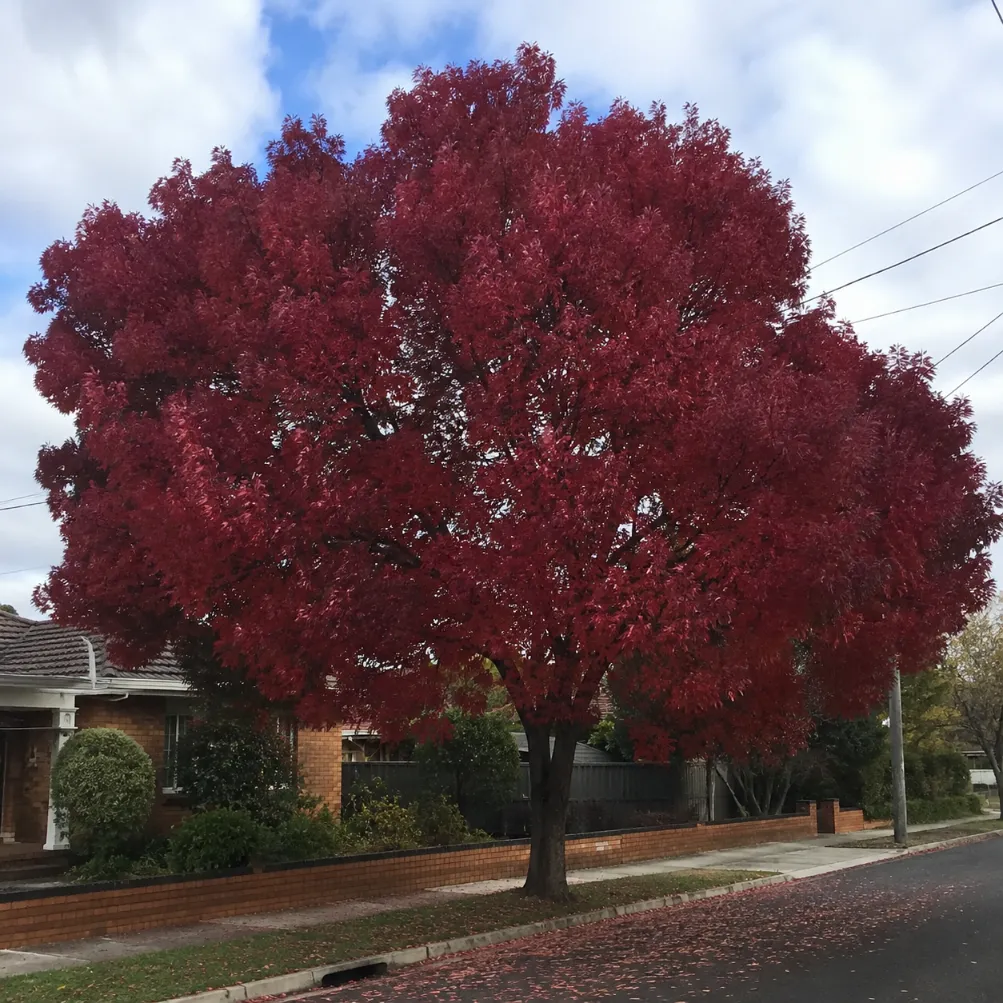
Claret Ash, Desert Ash, Narrow-leaved Ash, European Ash, Golden Ash and other Fraxinus species were among the most widely planted street trees in Melbourne through the twentieth century, valued for fast growth and reliable autumn colour. Many of those plantings are now reaching the end of their safe working life, and ash trees are increasingly prone to structural failure and dieback as they age. Ash tree removal is one of the more common jobs we see across older suburbs, often prompted by a branch failure or a general decline in condition. Where a tree is still sound, ash tree pruning can extend its safe life by reducing deadwood and weight in the canopy. Our ash tree services cover assessment, staged removal where several trees on a property or street need attention, and advice on suitable replacement species.
Banksia Trees
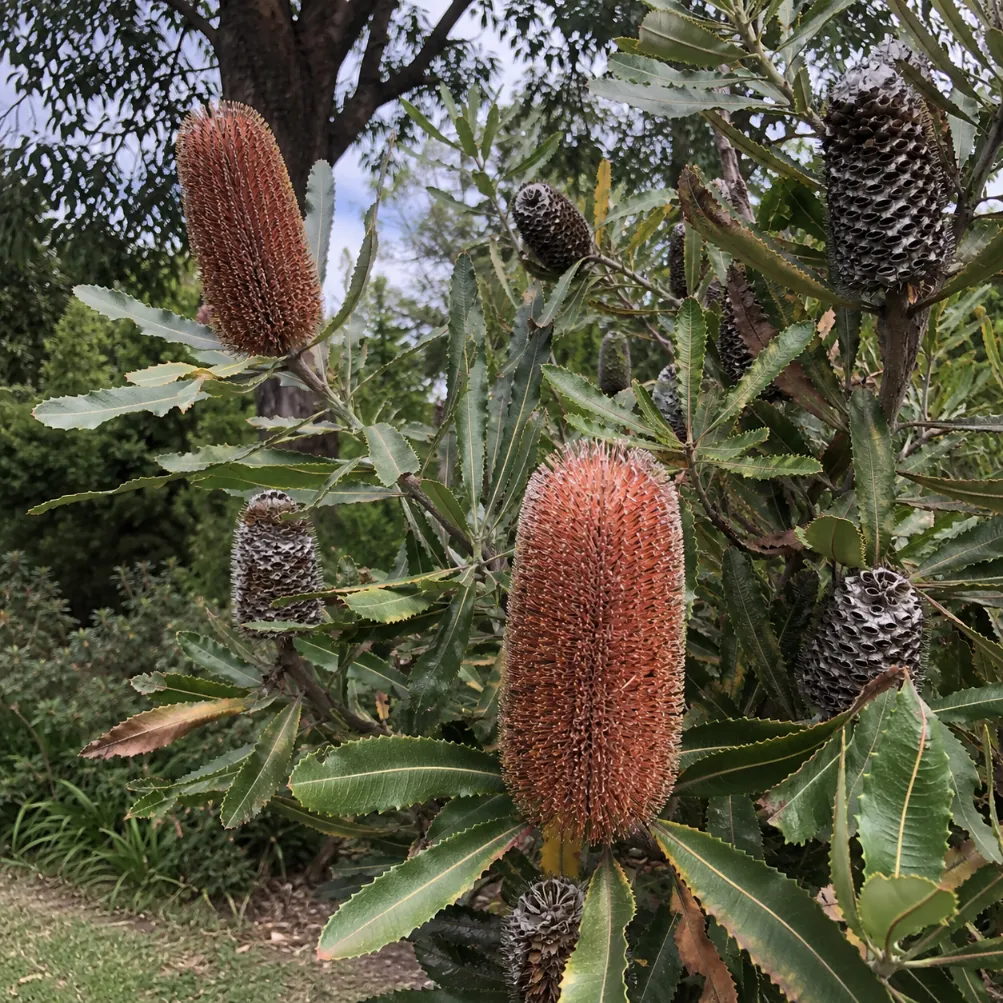
Banksia is an iconic Australian native genus, widely planted in native gardens and reserves across Victoria and increasingly used in streetscapes for its distinctive flowers. Banksia tree pruning is usually about shape and canopy health, while banksia tree removal is uncommon since the species is generally low risk once established. Banksias can be sensitive to root disturbance, so we take particular care during any nearby excavation or construction work. Our banksia tree services include health assessments for older specimens showing signs of dieback.
Birch Trees
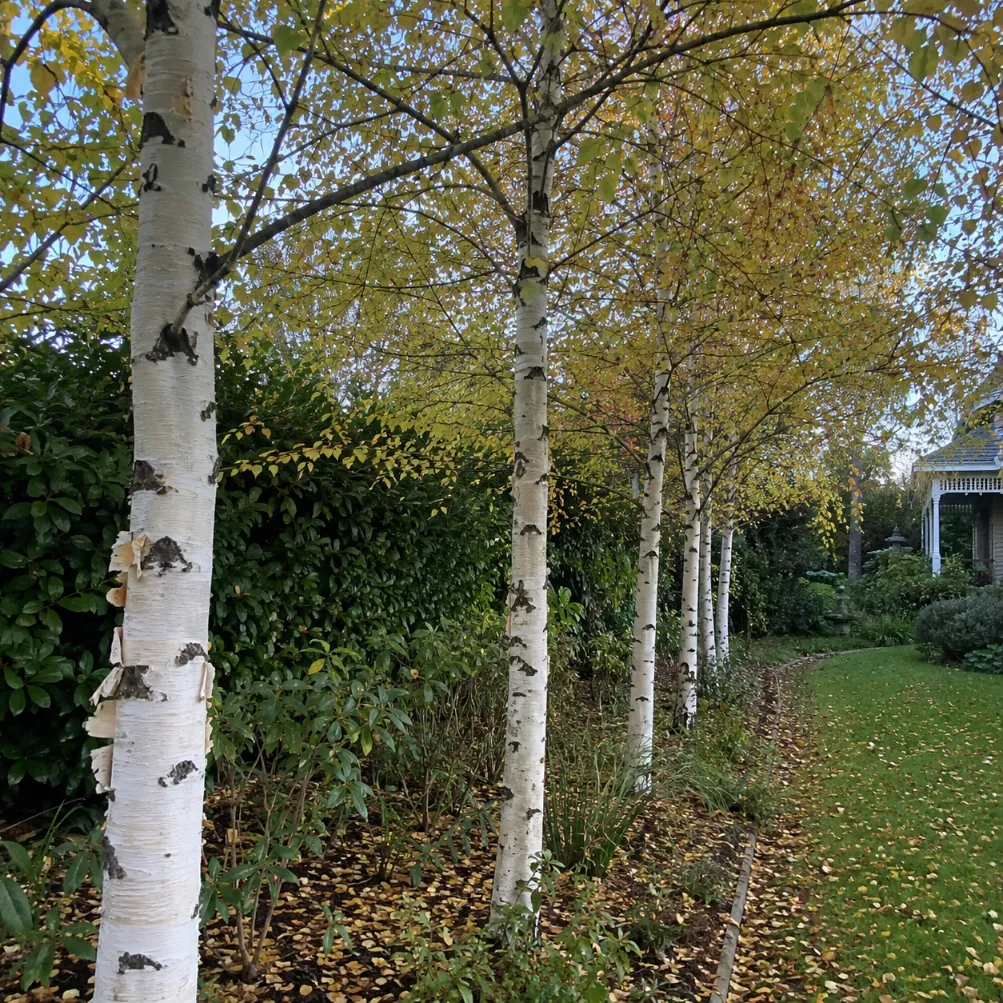
Silver Birch, Himalayan Birch and other Betula species are common ornamental trees in cooler parts of Victoria, valued for their pale bark and autumn colour. Birch tree pruning is usually light, since the species has a naturally attractive form that doesn’t need heavy shaping, and mature trees can be prone to canker and dieback in hot, dry conditions. Birch tree removal is more often driven by decline in a poorly suited site than by structural failure. Our birch tree services include condition assessment for stressed or declining specimens.
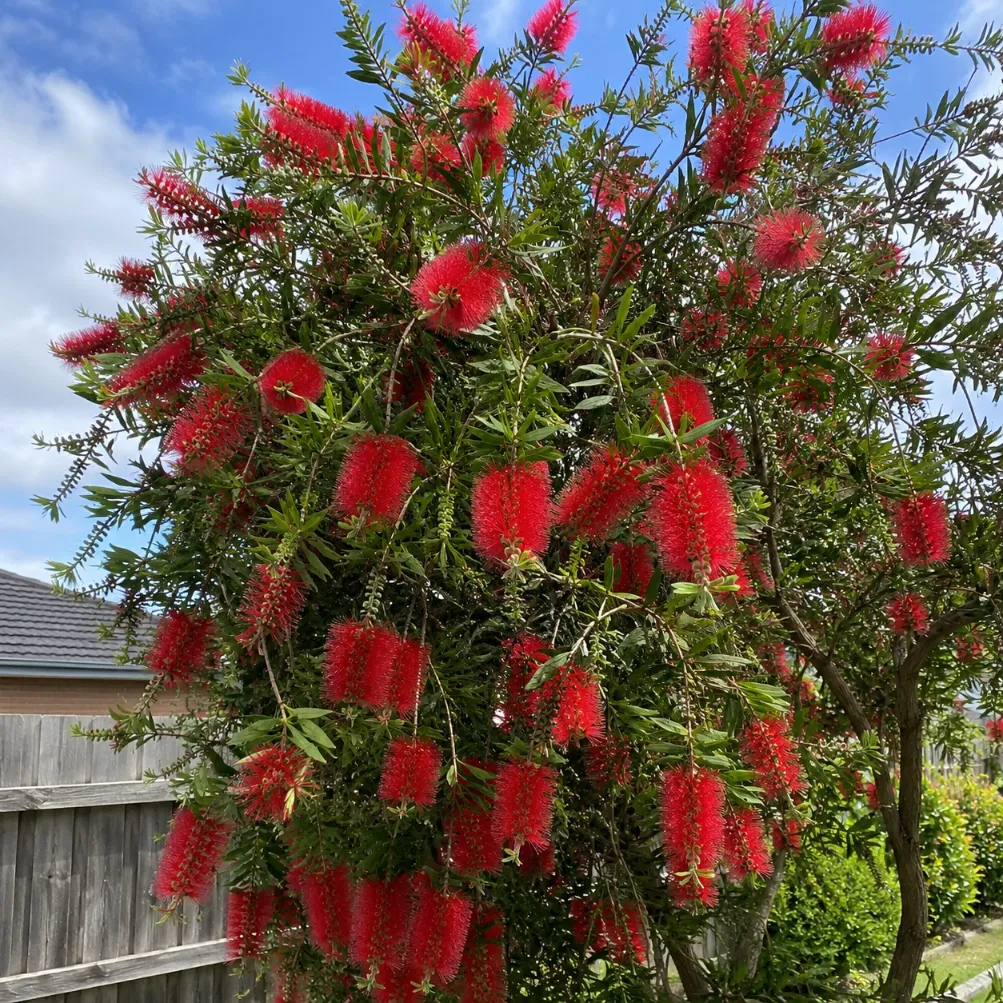
Bottlebrush Trees
Bottlebrush (Callistemon) is a popular native screening and feature tree across Victorian gardens, valued for its distinctive red flowers and reliability in a range of soils. Bottlebrush tree pruning after flowering keeps the plant compact and encourages a strong repeat display, and bottlebrush tree removal is rarely needed outside of significant dieback or storm damage. Our bottlebrush tree services are more often about shaping and maintenance than removal.
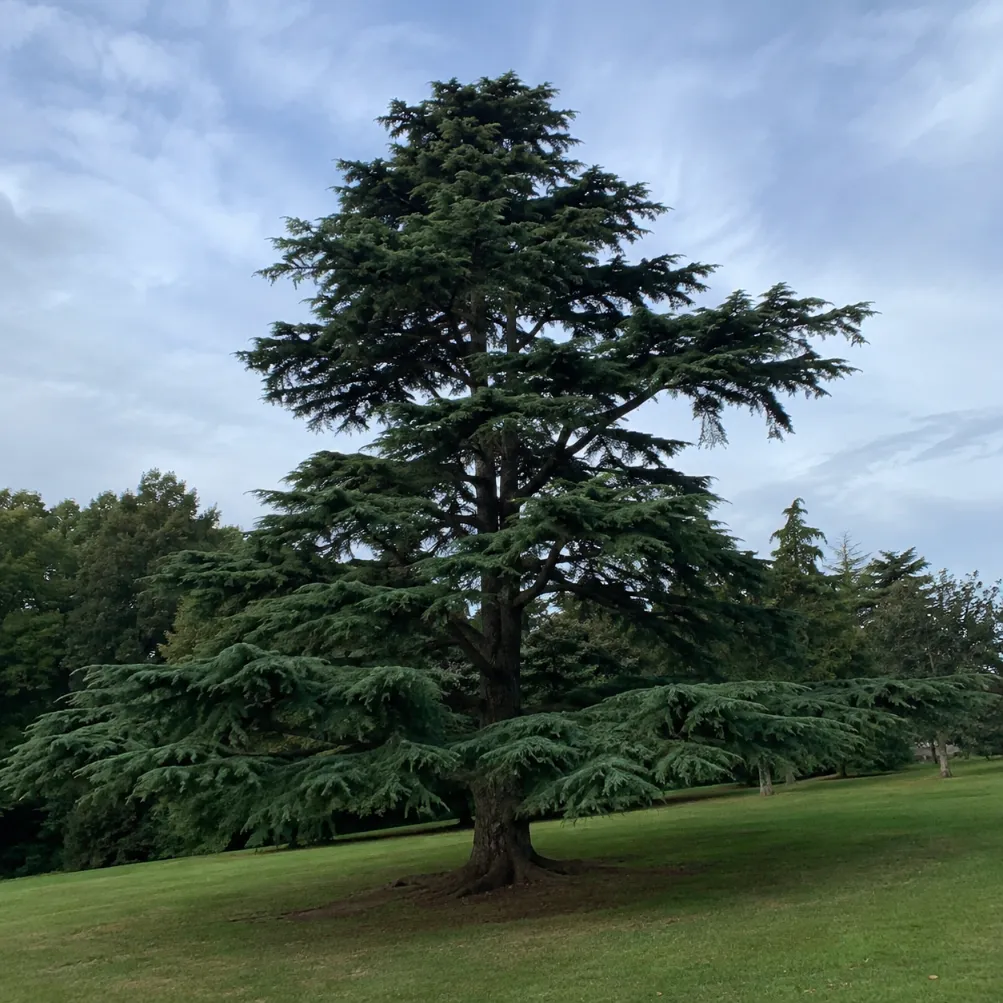
Cedar Trees
Deodar Cedar, Atlas Cedar, Blue Atlas Cedar and Cedar of Lebanon are long lived conifers planted in parks, avenues and larger gardens across Victoria, often as specimen or feature trees. Cedar tree pruning is generally minimal once a tree is established, limited to deadwooding and occasional crown lifting. Cedar tree removal is uncommon given how long these trees live and how highly they are often valued, and is usually only considered where a tree has failed structurally or is significantly diseased. Our cedar tree services include structural assessments for large, mature specimens.
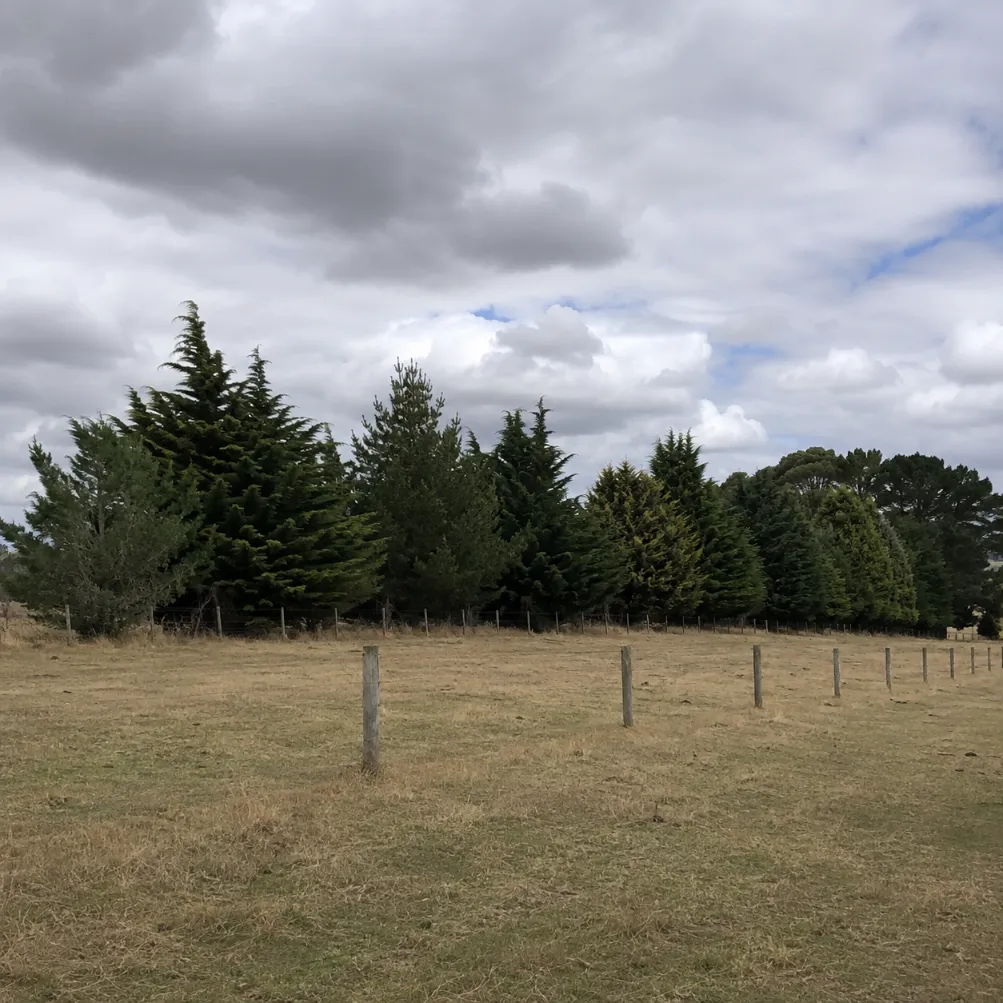
Conifers
Beyond pines, cypresses and cedars, Victoria’s gardens and windbreaks include a range of other conifers, from firs and junipers to less common ornamental species. Conifer tree pruning is limited in most cases since many species do not respond well to hard cuts, and conifer tree removal is more often driven by size, root damage or a tree that has outgrown its position than by disease. Our conifer tree services include identification and condition assessment where a species is not immediately obvious.
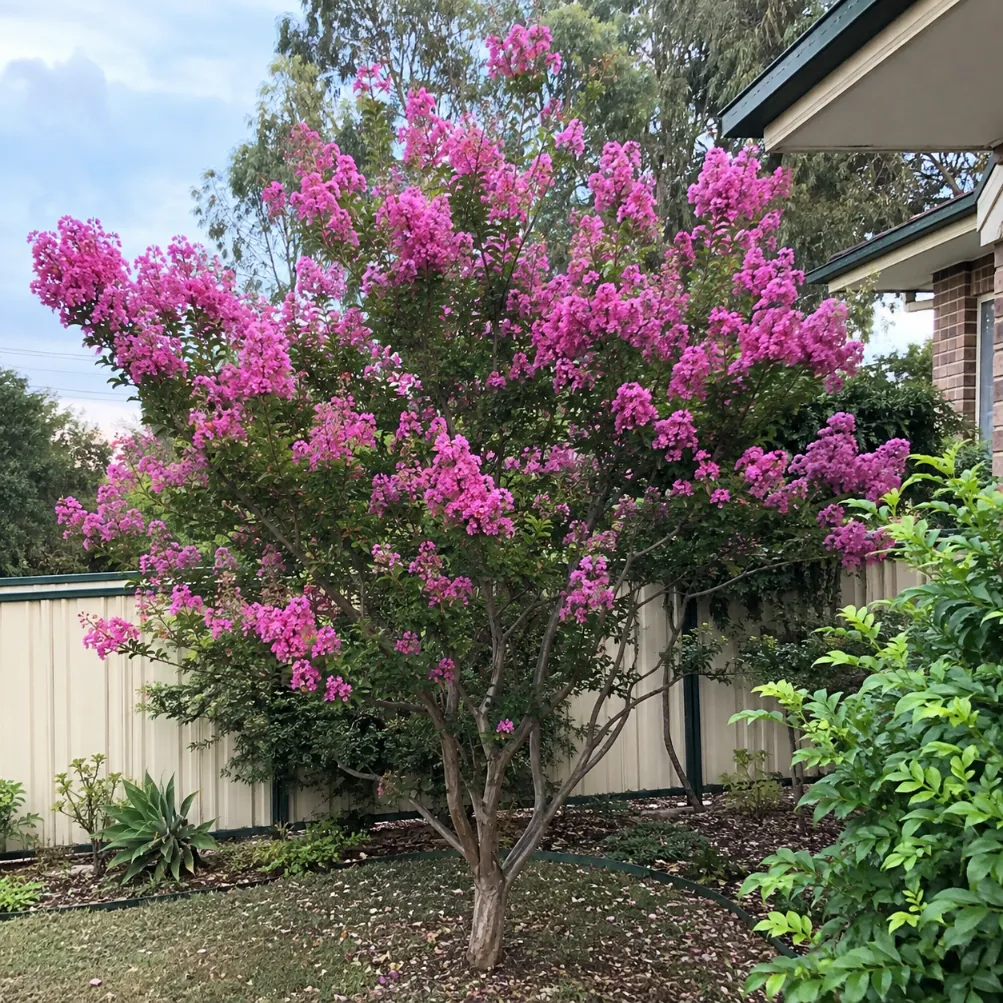
Crepe Myrtle Trees
Crepe myrtle tree pruning is typically done in winter to encourage strong summer flowering, and is one of the more common jobs on established Victorian gardens with mature specimens. Crepe myrtle tree removal is uncommon, usually only needed where a tree has declined significantly or is competing for space in a redesigned garden. Our crepe myrtle tree services usually focus on shaping and maintaining an established specimen, and the species also transplants well if a garden is being reworked.
Cypress Trees
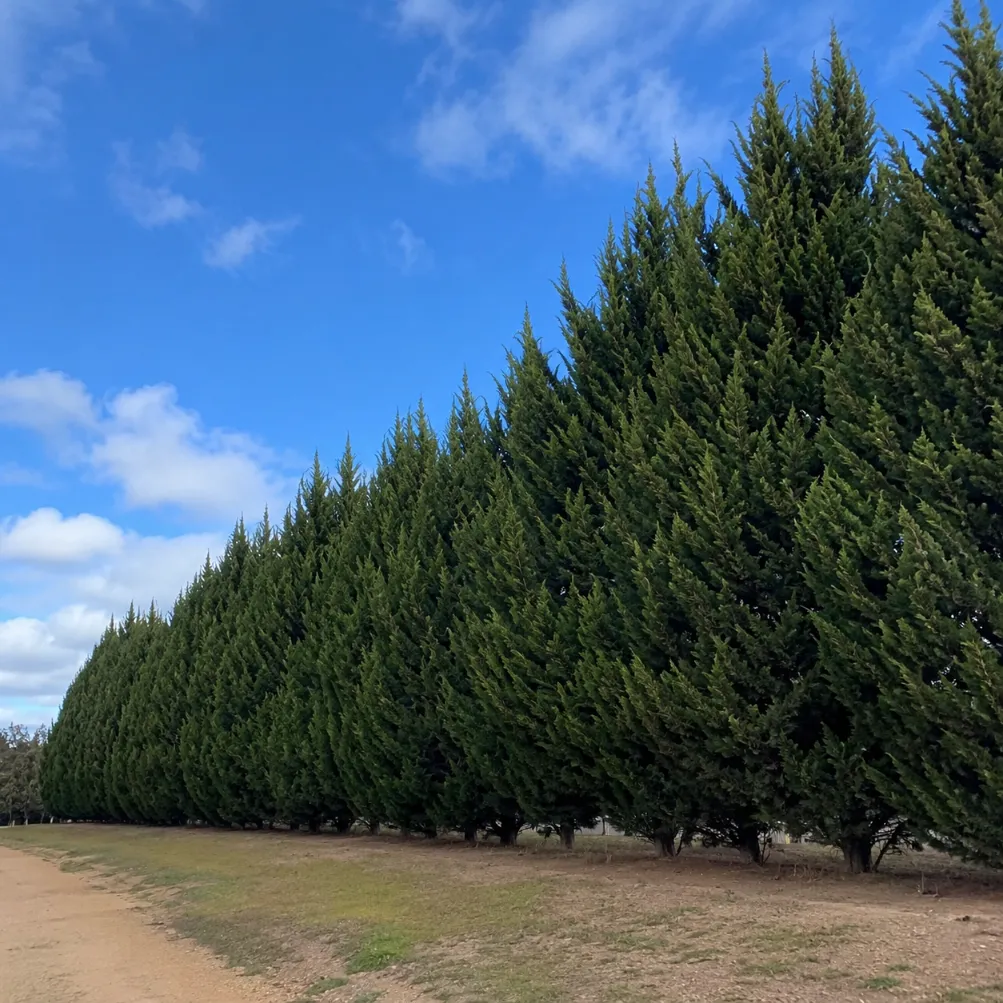
Monterey Cypress, Italian Cypress, Leyland Cypress, Bhutan Cypress and other Cupressus and Cupressaceae species are common across regional Victoria and older suburban gardens, often planted as windbreaks, hedging or feature trees. Cypress tree removal is one of the more frequent jobs we see in this group, since many cypress hedges and windbreaks were planted decades ago without much thought for their eventual size, and can become hazardous or overbearing as they mature. Cypress tree pruning is possible on some species but often limited, since cypress generally does not regrow well from cuts into old wood. Our cypress tree services include assessment of whole hedge or windbreak lines, not just individual trees.
Elm Trees
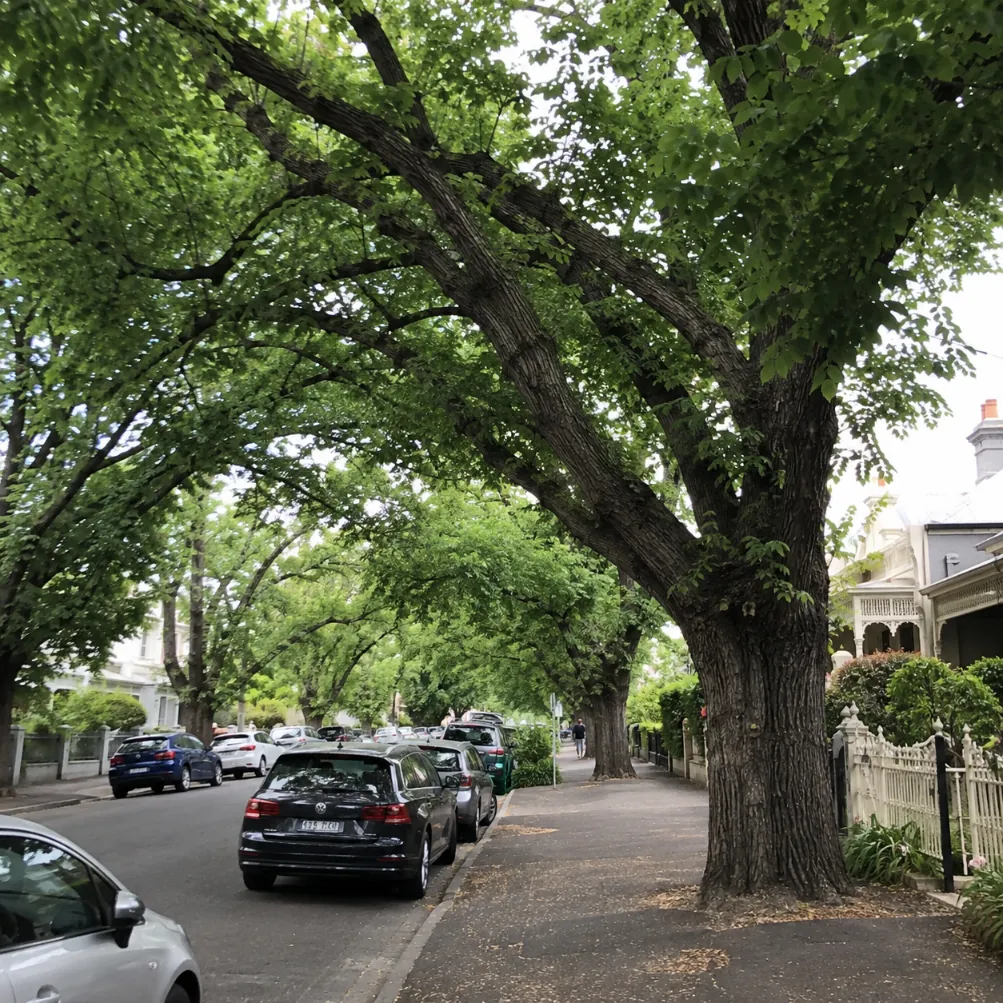
Melbourne’s elm avenues are internationally significant, largely because Victoria has remained largely free of the Dutch elm disease that devastated elm populations in the northern hemisphere. English Elm, Dutch Elm, Chinese Elm, Golden Elm, Weeping Elm and other Ulmus species are all found across the state. Because of this significance, elm tree removal on a street or park elm often requires council approval, so it is worth checking with your local council before any work begins. Elm tree pruning is carried out to strict biosecurity protocols, including tool sterilisation between trees, to help protect the state’s elm population. Our elm tree services cover both structural pruning and removal.
Eucalyptus (Gum Trees)
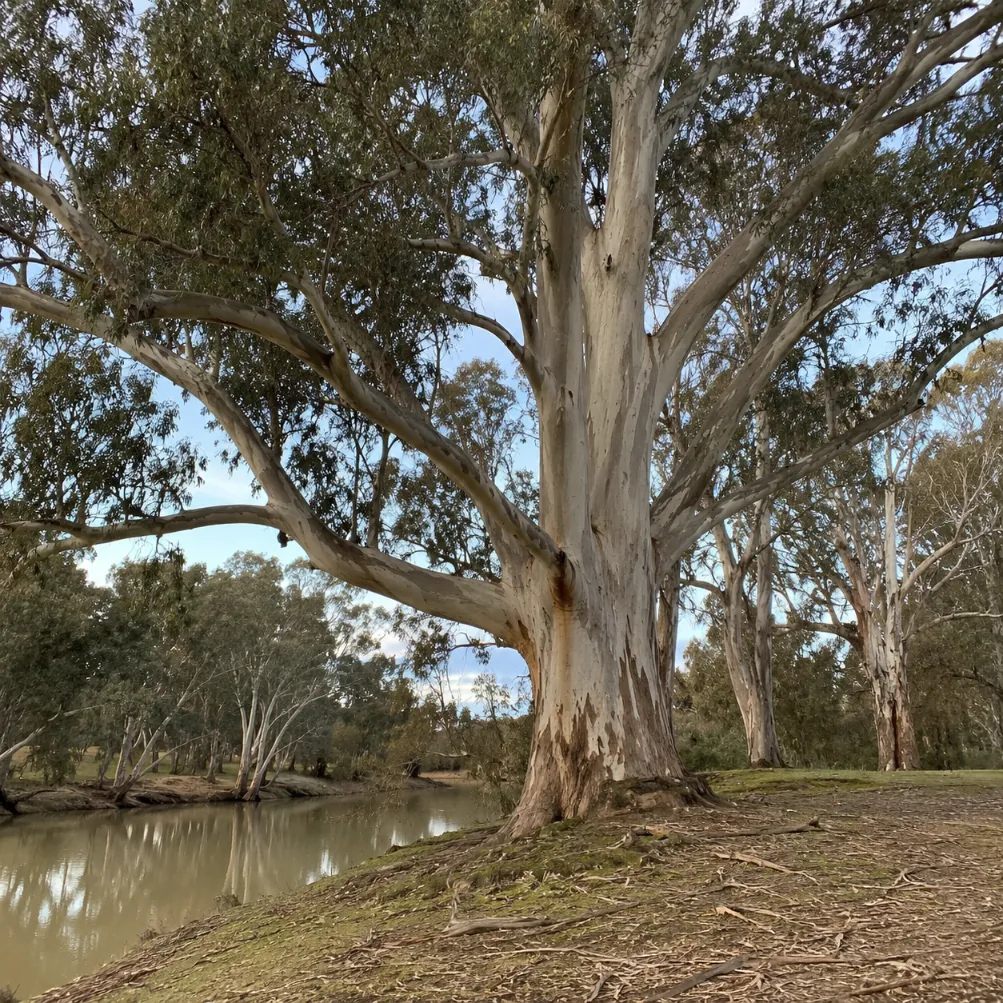
Eucalypts, commonly called gum trees, are Victoria’s defining native tree and the most frequent group we work on across the state. This group includes River Red Gum, Manna Gum, Yellow Gum, Swamp Gum, Messmate, Narrow-leaf Peppermint, Southern Mahogany, Yellow Box, Red Box, Grey Box, Yellow Stringybark, Red Stringybark, Mountain Grey Gum, Candlebark, Snow Gum, Spotted Gum, Sugar Gum, Lemon-scented Gum, Blue Gum, Ironbark and many other common Victorian eucalypts.
Gum tree removal and gum tree pruning make up a large share of our workload, and eucalyptus tree removal and eucalyptus tree pruning are searched just as often by people looking for the same service under a different name. Eucalypts are prone to sudden limb drop, where a large, apparently healthy branch fails without warning, which is one of the main reasons an on-site tree health assessment is worthwhile for large gums near buildings, driveways or public areas. Some species, such as River Red Gum, are exceptionally long lived and ecologically significant, so removal is generally approached with more caution than pruning, and larger or public specimens often require council approval before any removal. Our gum tree services and eucalyptus tree services range from crown thinning and deadwooding through to full removal of a hazardous or declining tree.
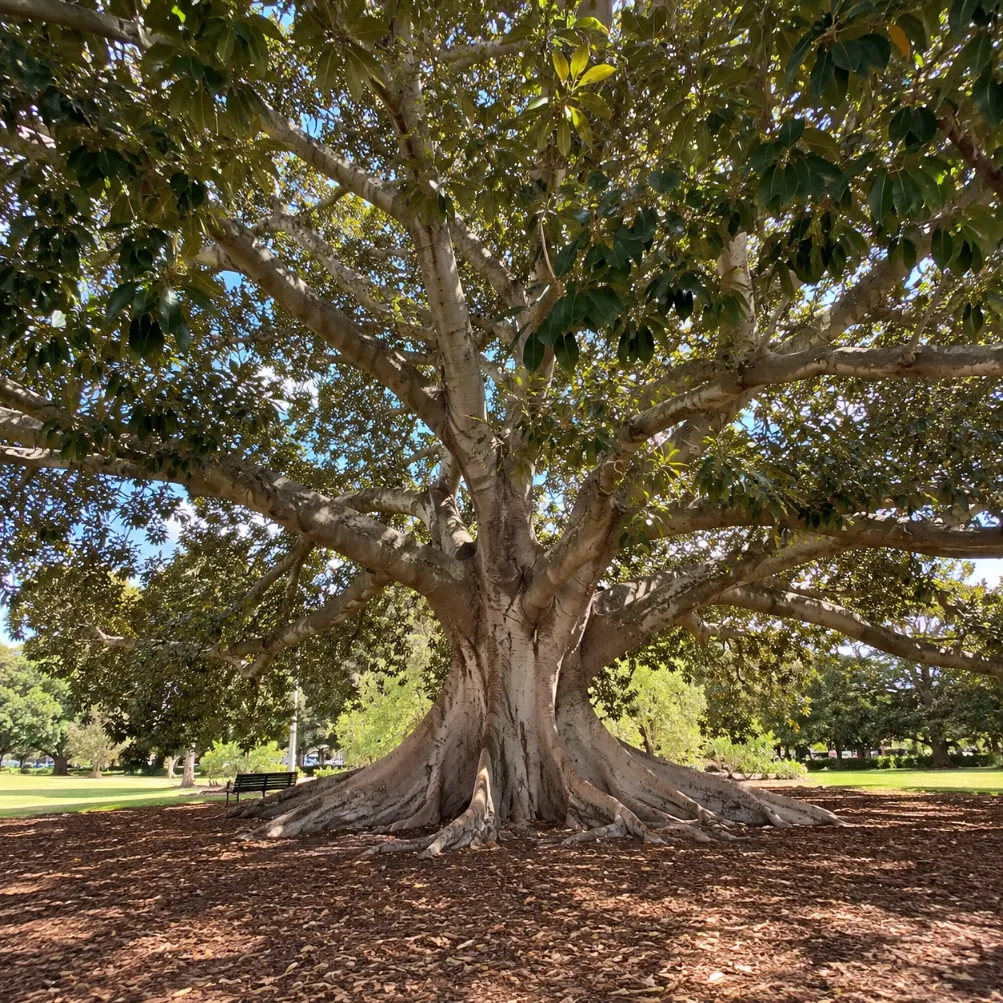
Fig Trees
Moreton Bay Fig, Port Jackson Fig, Hill’s Weeping Fig and edible Fig are all found across Victoria, from grand park specimens to smaller garden and courtyard trees. Fig tree removal is often driven by root damage, since figs have vigorous root systems that can lift paving and interfere with foundations and underground services, particularly with the larger Moreton Bay and Port Jackson varieties. Fig tree pruning is more common with edible fig and smaller ornamental figs, managing size and shape. Our fig tree services include root assessments where nearby structures are a concern.
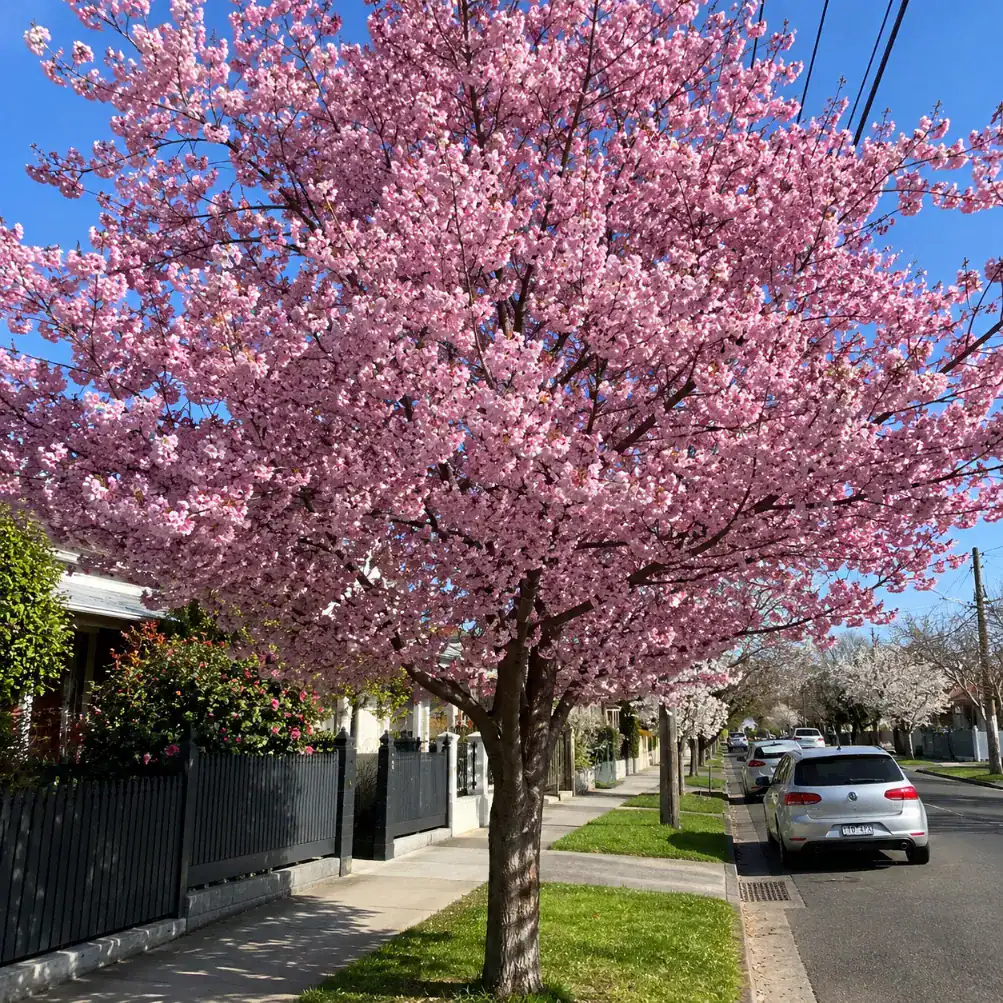
Flowering Cherry & Plum Trees
Ornamental cherries and plums are widely planted as spring flowering feature trees across Victorian streets and gardens. They are relatively short lived compared to many other species on this list, so flowering cherry and plum tree removal is a fairly regular job as older plantings decline, often replaced with a new tree in the same spot. Flowering cherry and plum tree pruning is usually light structural work, done while the tree is dormant. Our flowering cherry and plum tree services cover both routine pruning and removal and replacement of declining specimens.
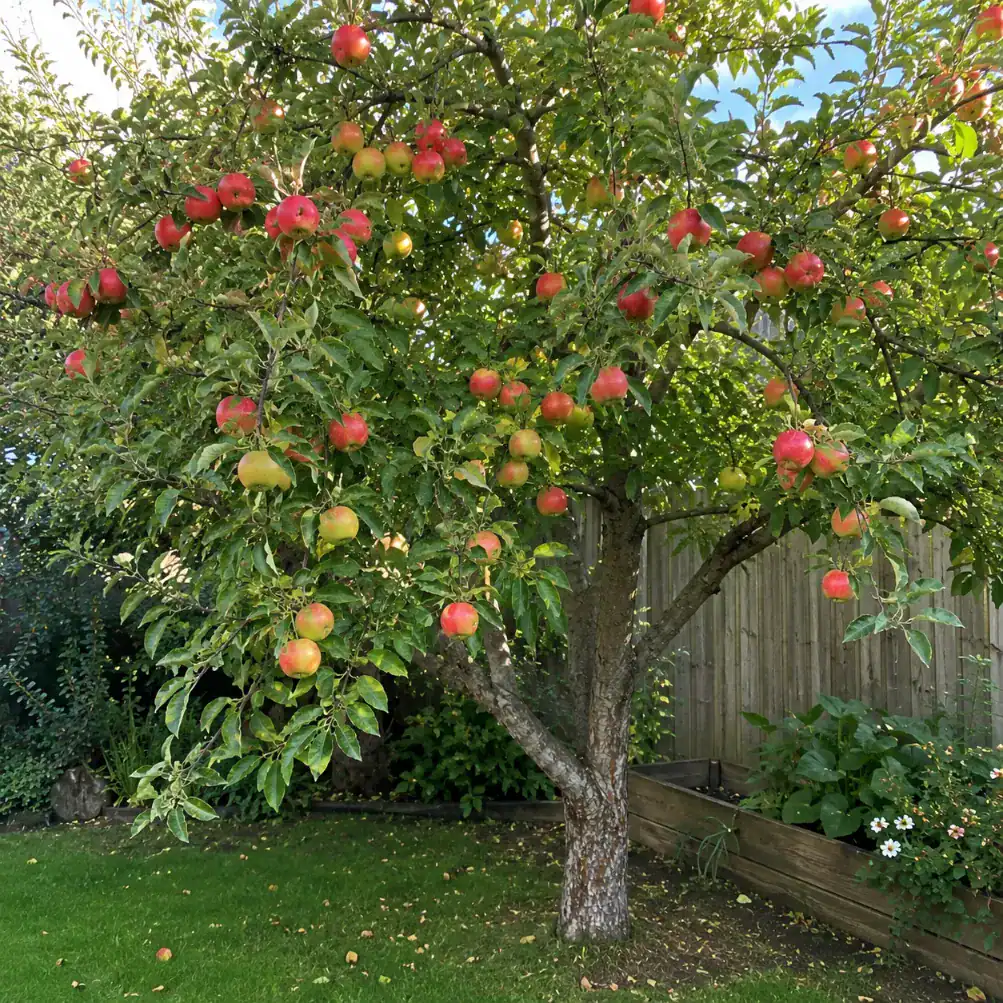
Fruit Trees
Established fruit trees, including apple, pear, citrus and stone fruit, are common in older Victorian gardens and can grow larger and more complex than people expect after years without pruning. Fruit tree pruning is one of the more common requests we get, since regular pruning keeps a tree productive and manageable, while fruit tree removal is usually only needed where a tree is diseased, has outgrown its position, or is no longer worth maintaining. Our fruit tree services include both routine maintenance pruning and removal where a tree is beyond saving.
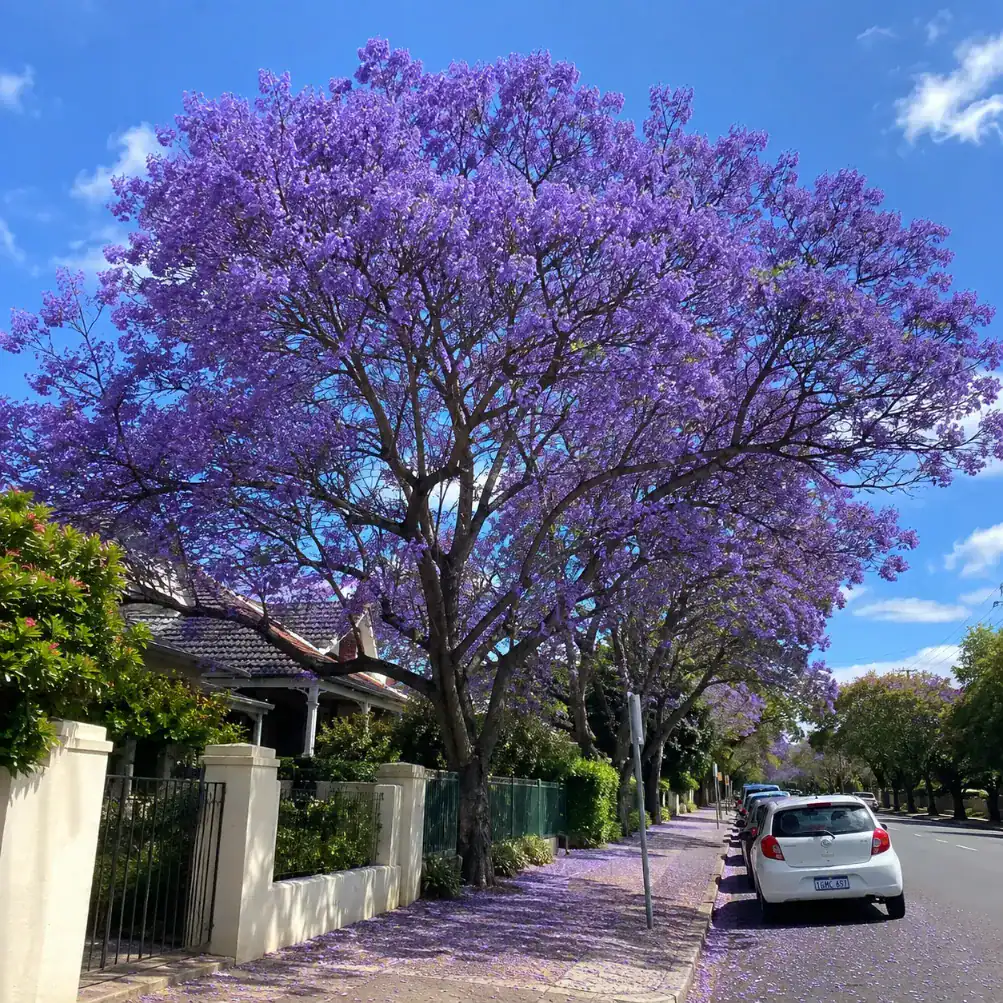
Jacaranda Trees
Jacaranda is a popular feature tree in warmer parts of Victoria, valued for its vivid purple spring flowering. Jacaranda tree pruning is usually about managing size and shape, since the species can become quite large and its brittle wood benefits from deadwooding. Jacaranda tree removal is uncommon but does happen where a tree has outgrown a small garden or is showing significant dieback. Our jacaranda tree services include structural assessments given the tree’s tendency to drop branches.
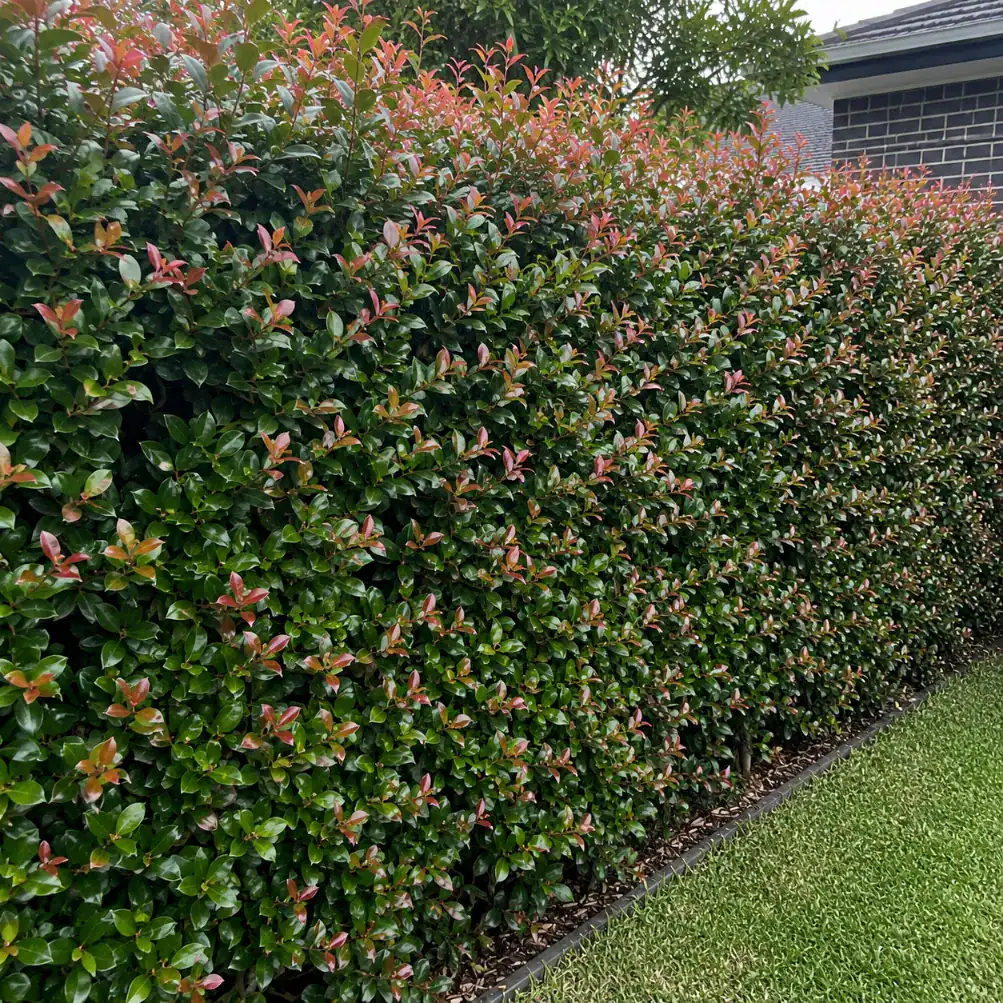
Lilly Pilly Trees
Lilly Pilly, including Syzygium and Waterhousea species, is one of the most widely planted native screening and hedging trees in Victoria. Lilly pilly tree pruning is extremely common, since the species is usually grown as a hedge or screen and needs regular shaping to stay dense and healthy. Lilly pilly tree removal is less frequent, usually only needed where psyllid damage or root issues have caused significant decline. Our lilly pilly tree services cover both hedge maintenance and full removal where a planting has failed.
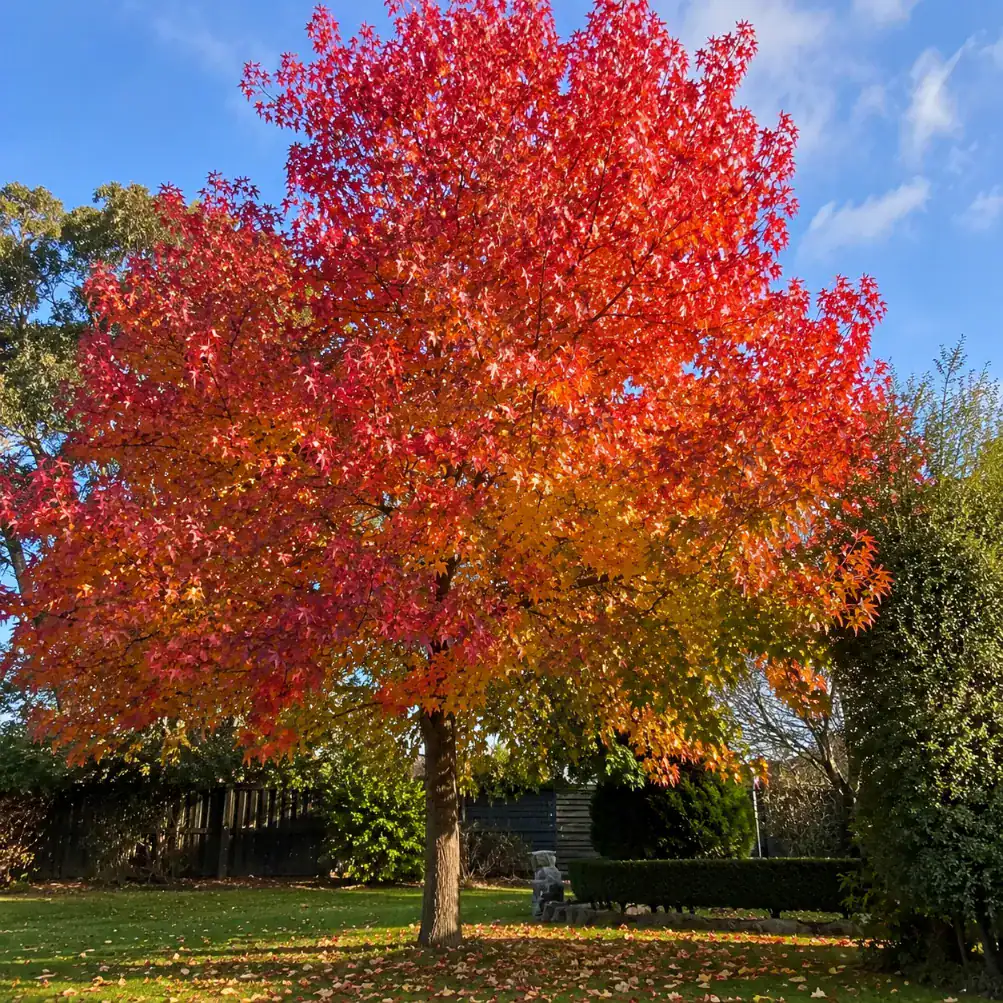
Liquidambar (Sweet Gum)
Liquidambar, also known as Sweet Gum, is a popular deciduous shade tree across Victoria, known for vivid autumn colour, but it has an aggressive, shallow root system that can lift paving and interfere with underground services. Liquidambar tree removal is often driven by this root damage rather than the tree’s health, particularly in established gardens where the tree has outgrown its position. Liquidambar tree pruning can help manage canopy size and reduce the load on a tree that is otherwise sound. Our liquidambar tree services include root and structural assessments where damage to nearby paving or pipework is a concern.
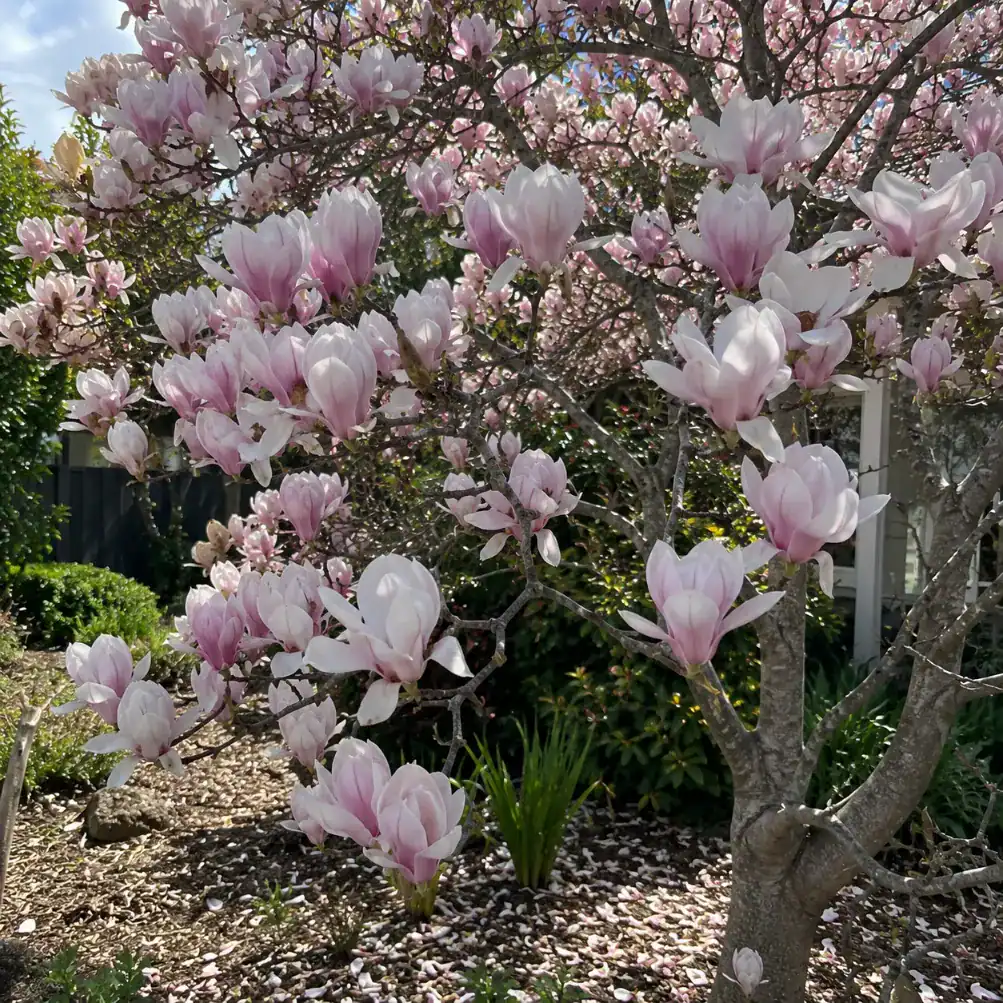
Magnolia Trees
Magnolias are common feature trees in Victorian gardens, prized for their large spring flowers. Magnolia tree pruning is usually minimal and done carefully, since the species does not respond well to hard cuts and can be slow to recover. Magnolia tree removal is uncommon, usually only needed where a tree has significant structural failure or root damage. Our magnolia tree services focus mostly on light structural pruning and health assessments for older specimens.
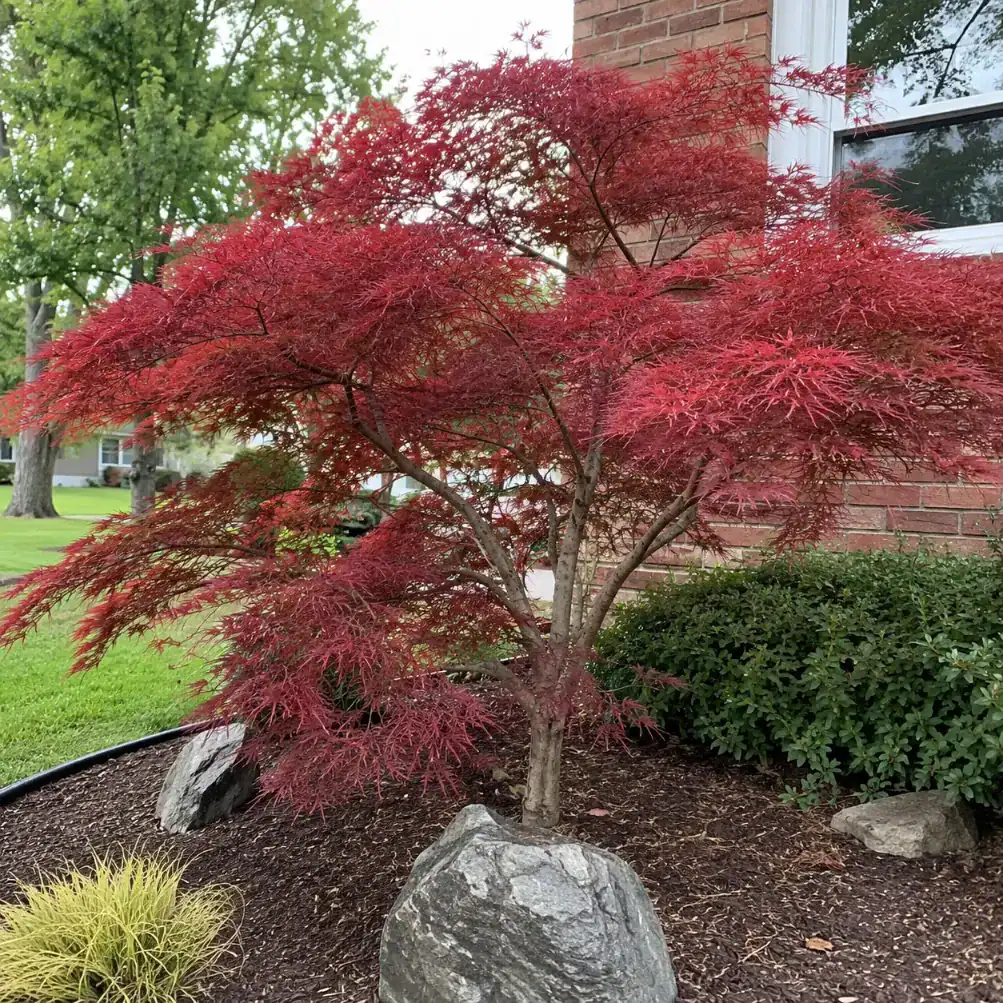
Maple Trees
Japanese Maple, Box Elder, Norway Maple, Sycamore Maple, Silver Maple and other Acer species are widely planted across Victoria for their autumn colour and garden scale. Maple tree pruning is common, particularly for Japanese Maples where careful shaping maintains the tree’s form, while larger species like Sycamore and Norway Maple sometimes need more structural work as they mature. Maple tree removal is more often associated with the larger, faster growing maple species reaching the end of their suitability for a smaller garden. Our maple tree services cover everything from delicate ornamental pruning through to full removal of larger specimens.
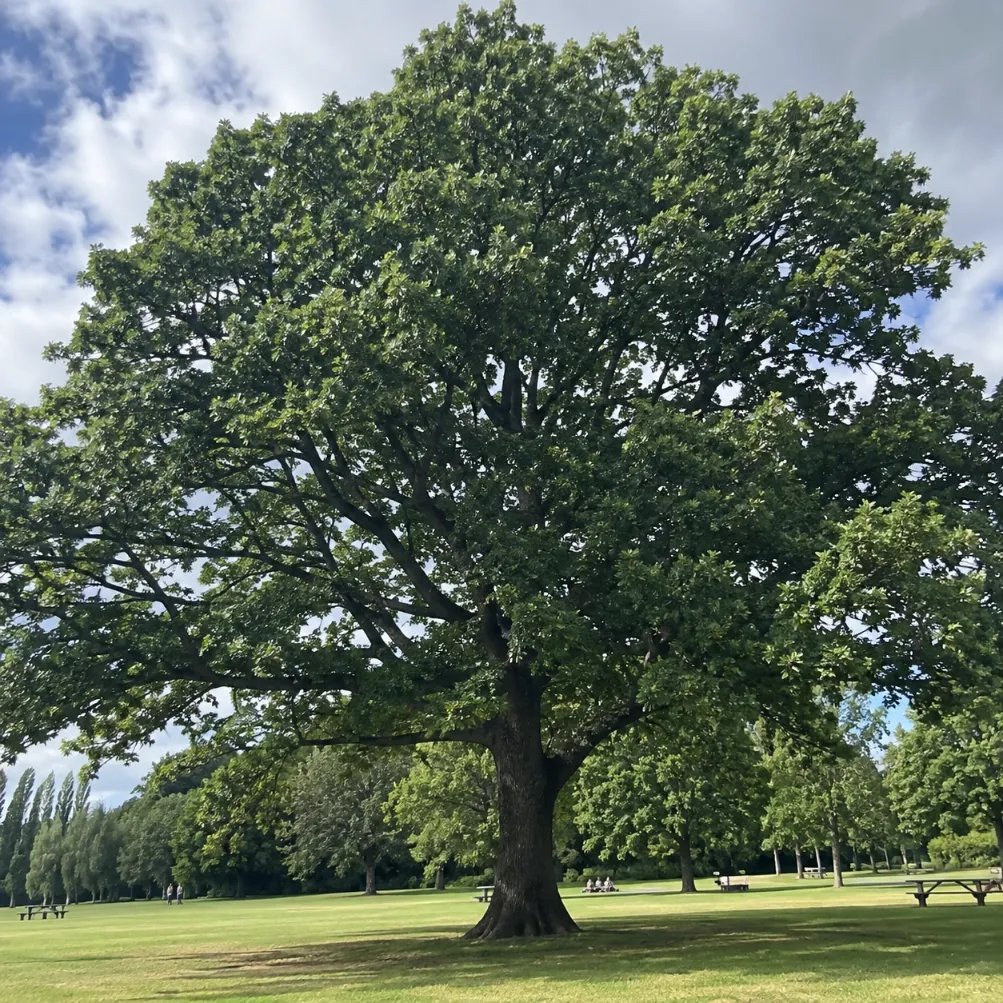
Oak Trees
English Oak, Pin Oak, Algerian Oak, Cork Oak, Holm Oak, Turkey Oak, Scarlet Oak and other Quercus species are widely planted across Victoria in parks, avenues and larger gardens, prized for their longevity and structure once established. Oak tree pruning in the early years of a tree’s life is important for developing a strong branch structure that will support decades of growth, while mature oaks are generally low maintenance unless deadwood or storm damage needs attention. Oak tree removal is uncommon given how long lived the species is, and where it does happen it is usually due to root damage from construction, disease, or a tree that was never suited to its planting site. Our oak tree services cover structural pruning for young trees through to condition assessments for mature specimens.
Ornamental Pear Trees
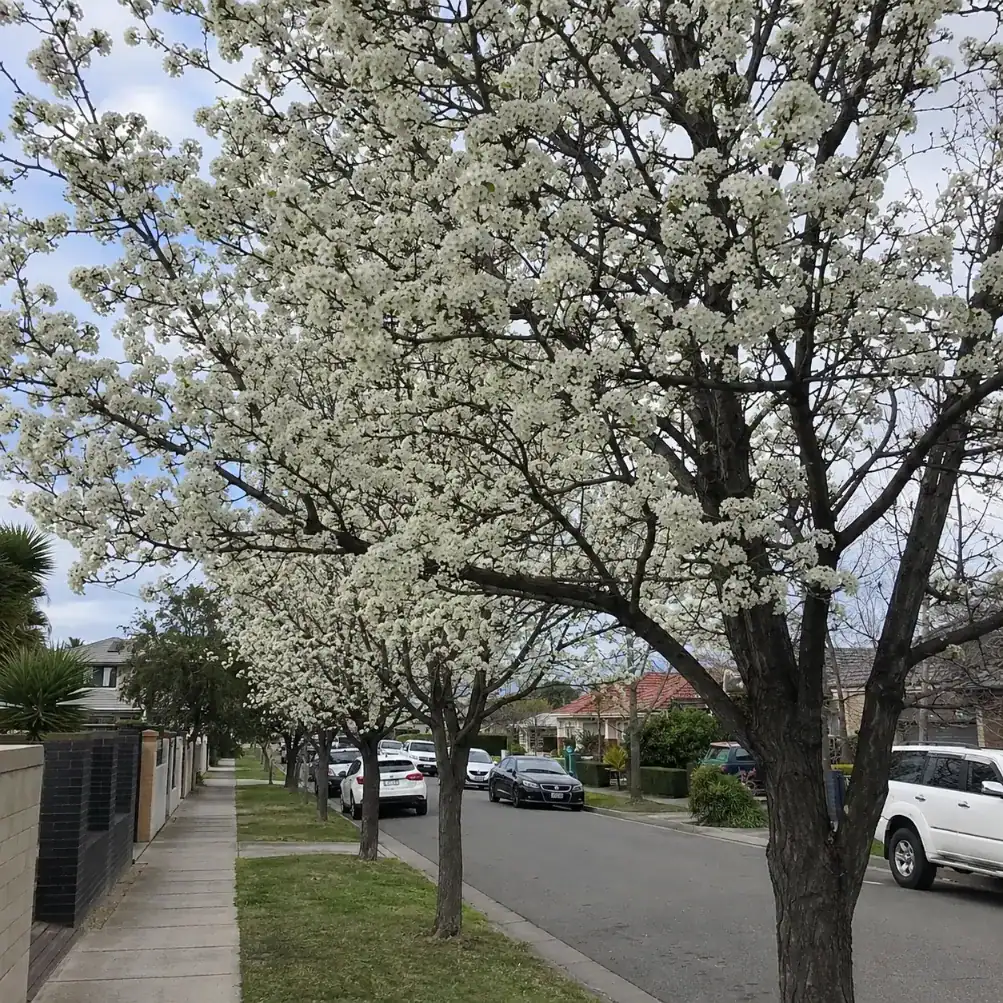
Ornamental Pear, particularly Pyrus calleryana varieties, is one of the most common street and driveway trees planted across Victoria in recent decades, valued for its reliable shape and spring blossom. Ornamental pear tree pruning is usually about maintaining a clean, uniform shape, especially on street plantings. Ornamental pear tree removal has become more common in some municipalities due to the species’ brittle branch structure and a tendency to split at the trunk as trees mature. Our ornamental pear tree services include structural assessments to identify trees at risk of splitting before it happens.
Palm Trees
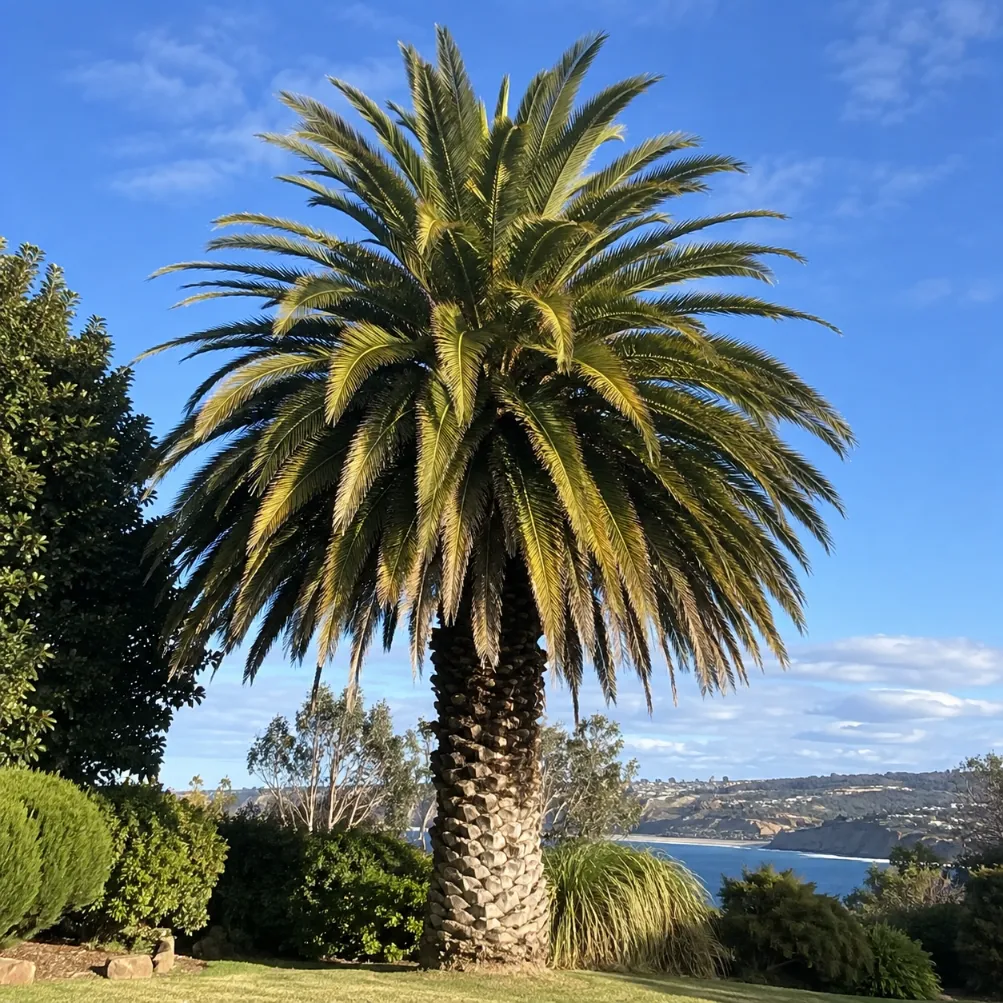
Canary Island Date Palm, Date Palm, Queen Palm, Washingtonia, Bangalow Palm, Cabbage Palm and Chinese Windmill Palm are common across Victoria, particularly in coastal and inner suburban gardens. Palm tree pruning generally means removing dead or hanging fronds rather than shaping in the way other trees are pruned, and is often needed on a regular cycle for safety and appearance. Palm tree removal usually requires specialised equipment given the height and weight of mature specimens, particularly for the larger Canary Island Date Palms and Washingtonias. Our palm tree services include both routine frond removal and full removal where a palm has become hazardous or diseased.
Peppercorn Trees
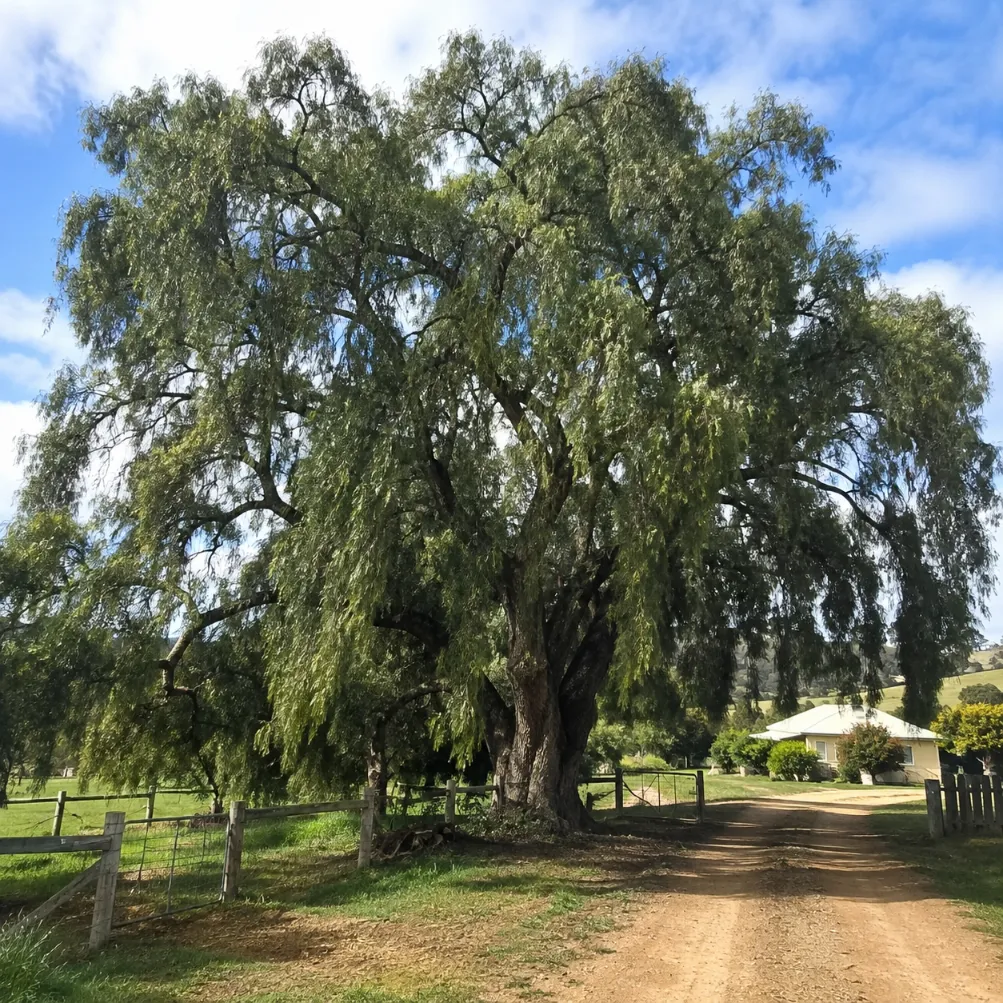
Peppercorn trees are a common feature of older properties and rural Victorian towns, valued for their drooping form and shade. Peppercorn tree pruning helps manage their sprawling growth habit and reduce weight in the canopy. Peppercorn tree removal is fairly common given the species’ brittle wood and tendency toward large, low limbs that can become hazardous over time. Our peppercorn tree services include structural assessments of older specimens.
Pine Trees
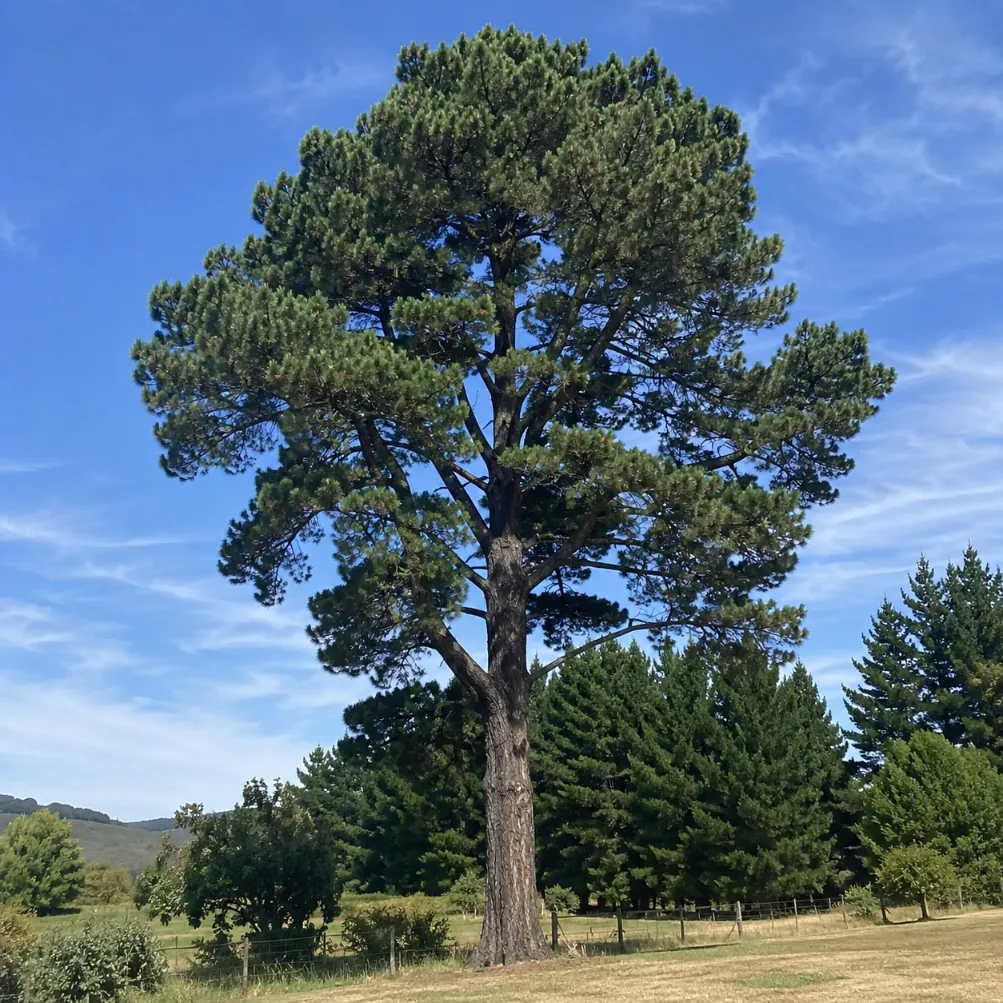
Monterey Pine, Stone Pine, Aleppo Pine, Canary Island Pine and other Pinus species are common across regional Victoria and in older suburban gardens, and they present a specific set of challenges for arborists. Monterey and other pines can self seed and spread into bushland and pasture, which puts some species on regional weed lists even though they are also widely planted deliberately as windbreaks or feature trees. Pine tree removal is often larger in scale than other residential jobs given the height and weight of mature specimens, and usually requires crane assistance or careful sectional dismantling. Pine tree pruning is less common than removal, since pines do not respond well to heavy pruning and can decline as a result. Our pine tree services include assessment of whether a pine is a candidate for management or removal, and staged removal for windbreak lines or plantations that need thinning.
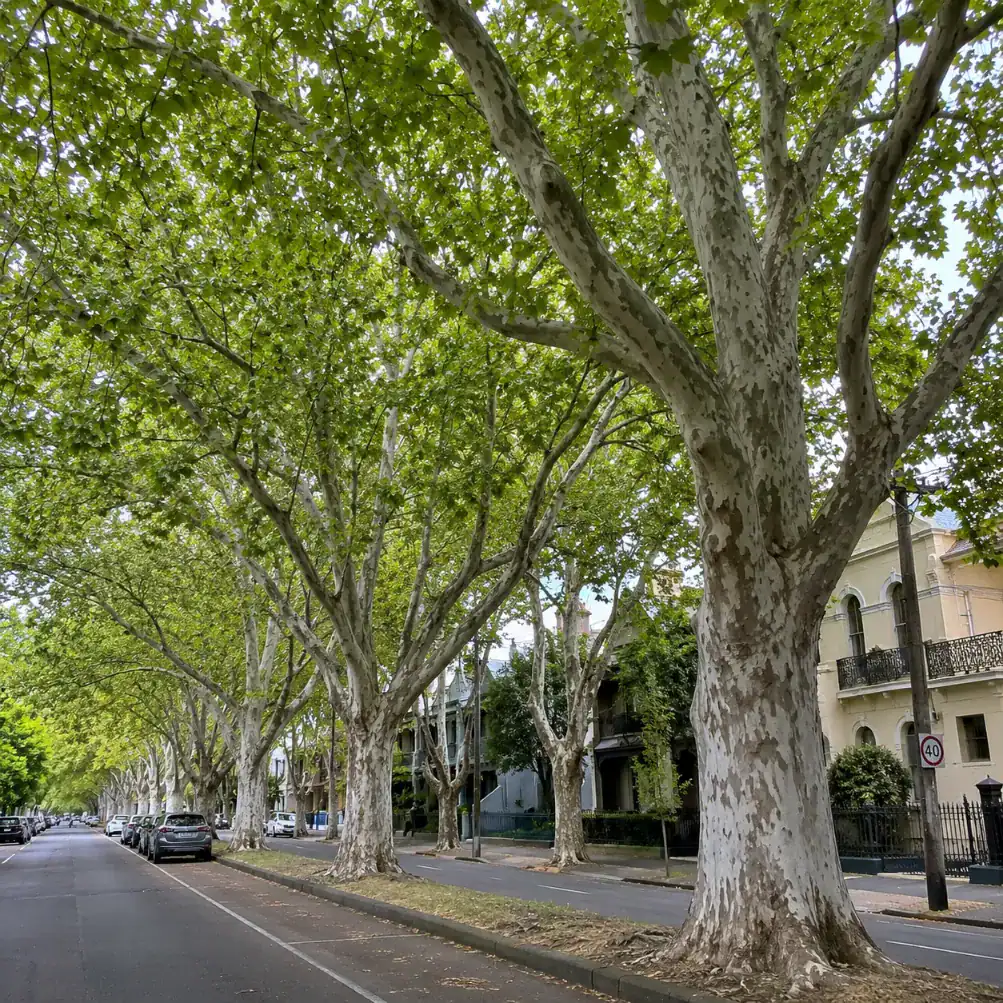
Plane Trees
London Plane and Oriental Plane trees line many of Melbourne’s grandest boulevards and are a defining feature of the city’s heritage streetscape. They are tolerant of pollution and root compaction, which is why they were planted so widely, but their size means plane tree pruning is a significant undertaking, usually carried out by councils on a cyclical program for street and park trees. Plane tree removal on public land often requires council approval, so it is worth checking with your local council before planning any work. Where a plane tree is on private property, our plane tree services cover both structural pruning and, where genuinely necessary, removal and stump grinding.
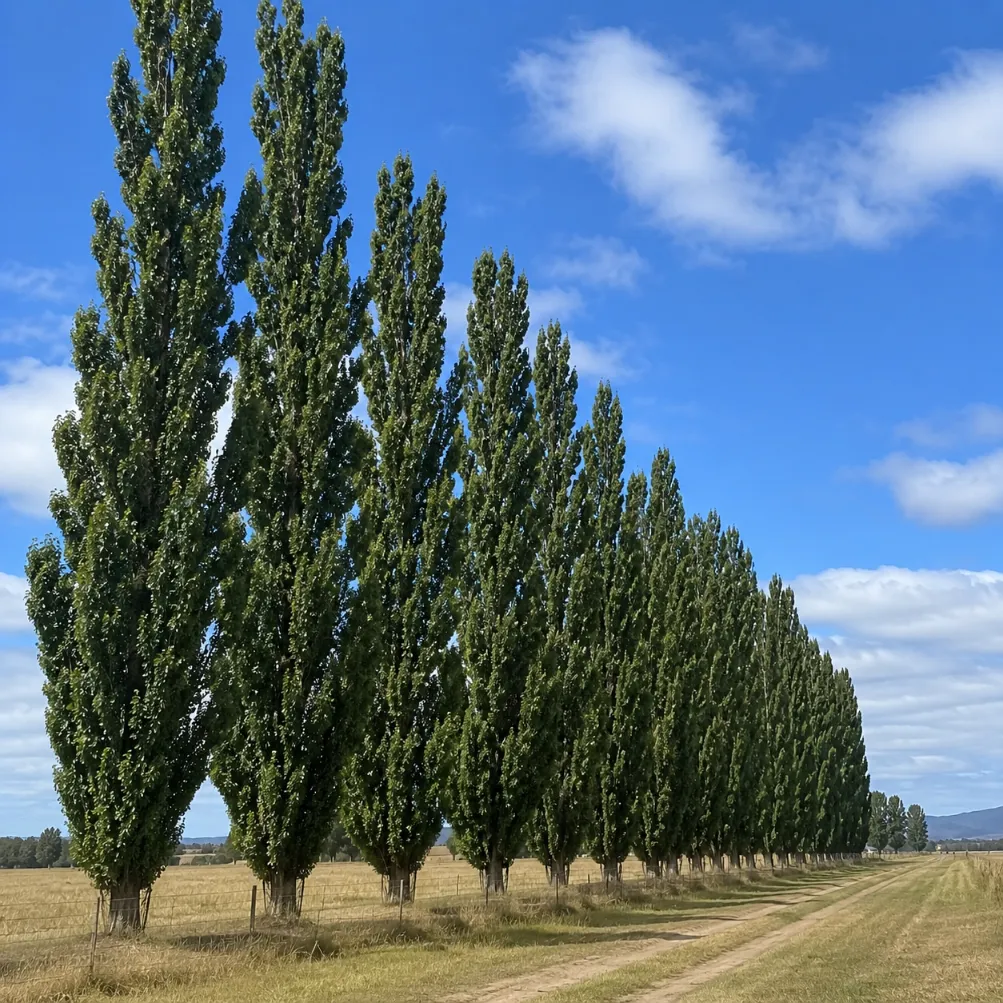
Poplar Trees
Lombardy Poplar, White Poplar, Black Poplar and other Populus species are fast growing, tall and often planted in rows as windbreaks or screening, particularly in regional Victoria and along waterways. That speed of growth comes with weaker wood than many other large trees, so poplar tree pruning to remove deadwood and reduce wind sail is a common request, especially after storms. Poplar tree removal is often needed when a windbreak row has been left unmanaged for years and individual trees have become hazardous or diseased. Poplars also sucker aggressively from the roots, which can be a factor in deciding between removal and ongoing management. Our poplar tree services include assessment of whole windbreak lines, not just individual trees.
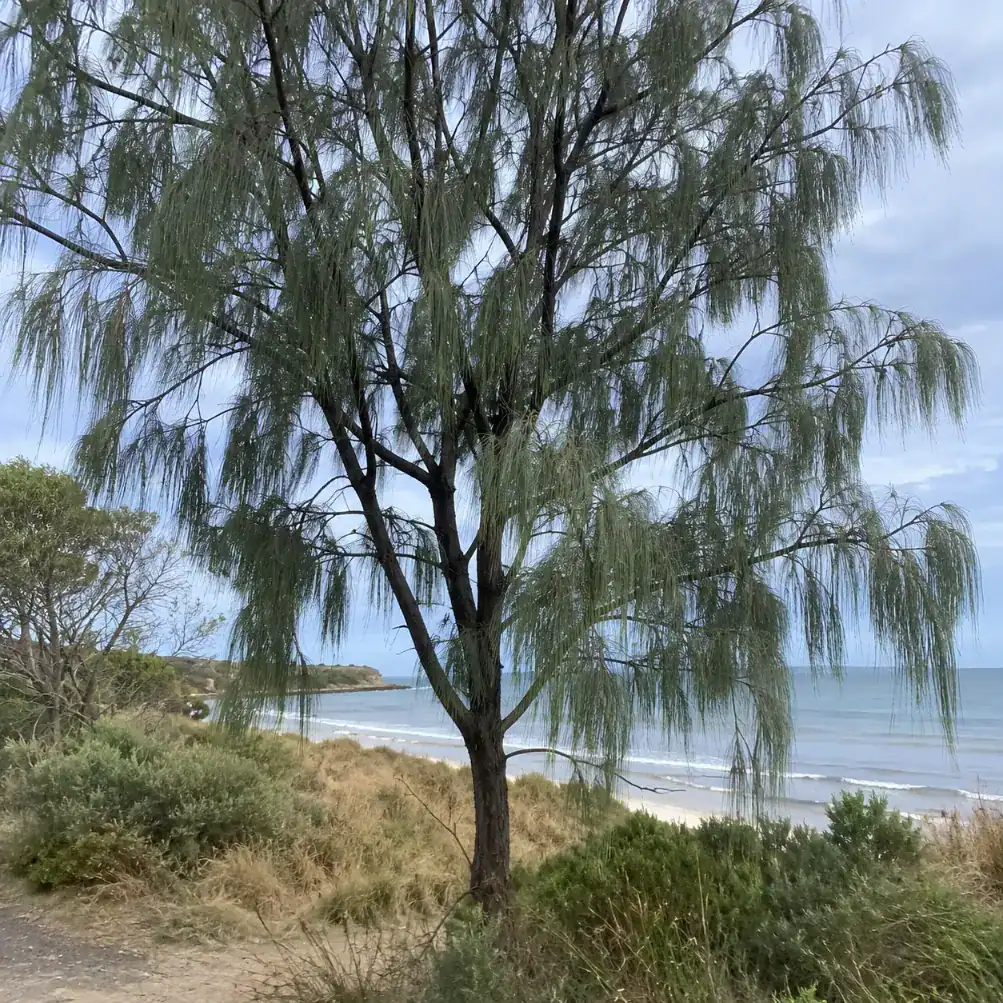
She-oaks
She-oaks, including Allocasuarina and Casuarina species, are native trees found across Victoria in coastal, woodland and wetland environments, and increasingly used in native gardens for their distinctive drooping foliage. She-oak tree pruning is usually light, since the species has a naturally open form. She-oak tree removal is uncommon, though older coastal specimens can be prone to wind damage given their typically exposed growing conditions. Our she-oak tree services include structural assessments for trees in exposed coastal positions.
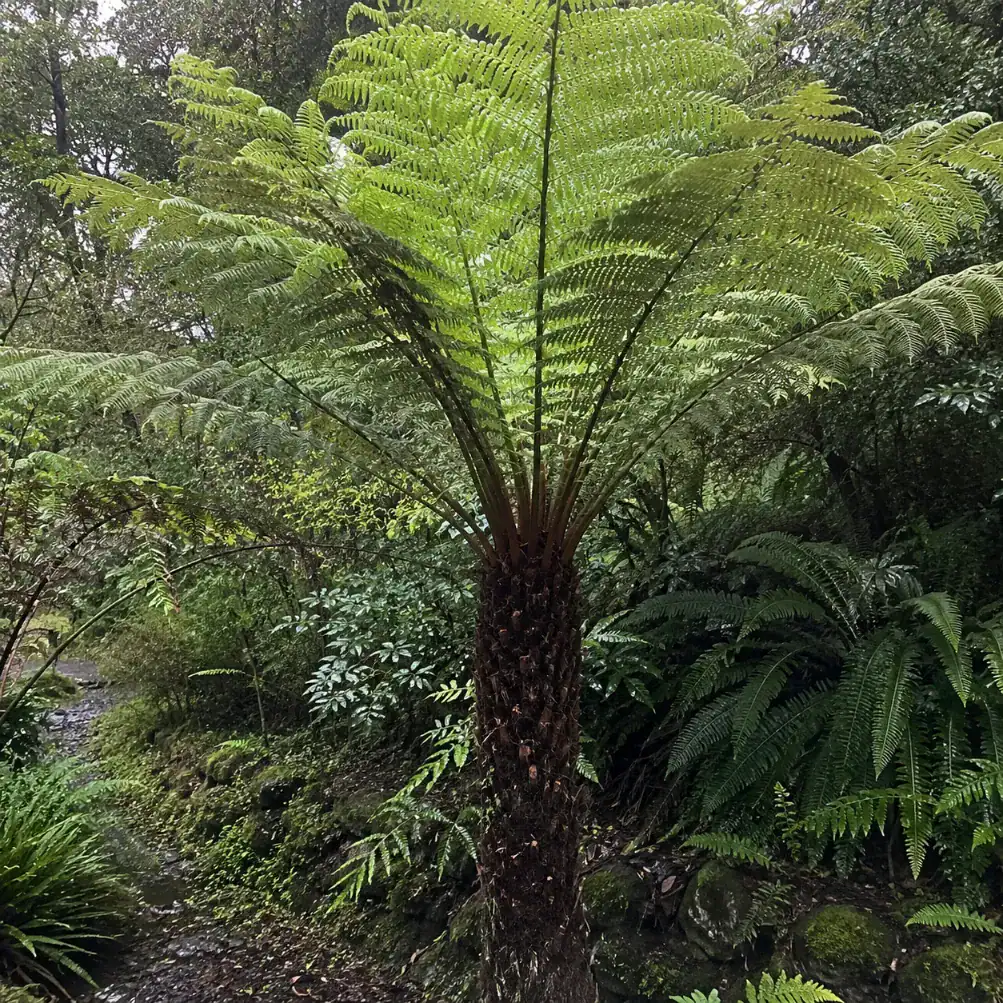
Tree Ferns
Tree ferns are a distinctive feature of Victoria’s cooler, wetter gardens and gullies, and while not trees in the botanical sense, they are a regular part of our work. Tree fern pruning generally means removing dead fronds to keep the crown healthy and reduce fire risk. Tree fern removal is uncommon, and more often we are asked about transplanting an established tree fern to a new position in the garden, which is a service we cover under planting and transplanting. Our tree fern services include both routine frond maintenance and relocation.
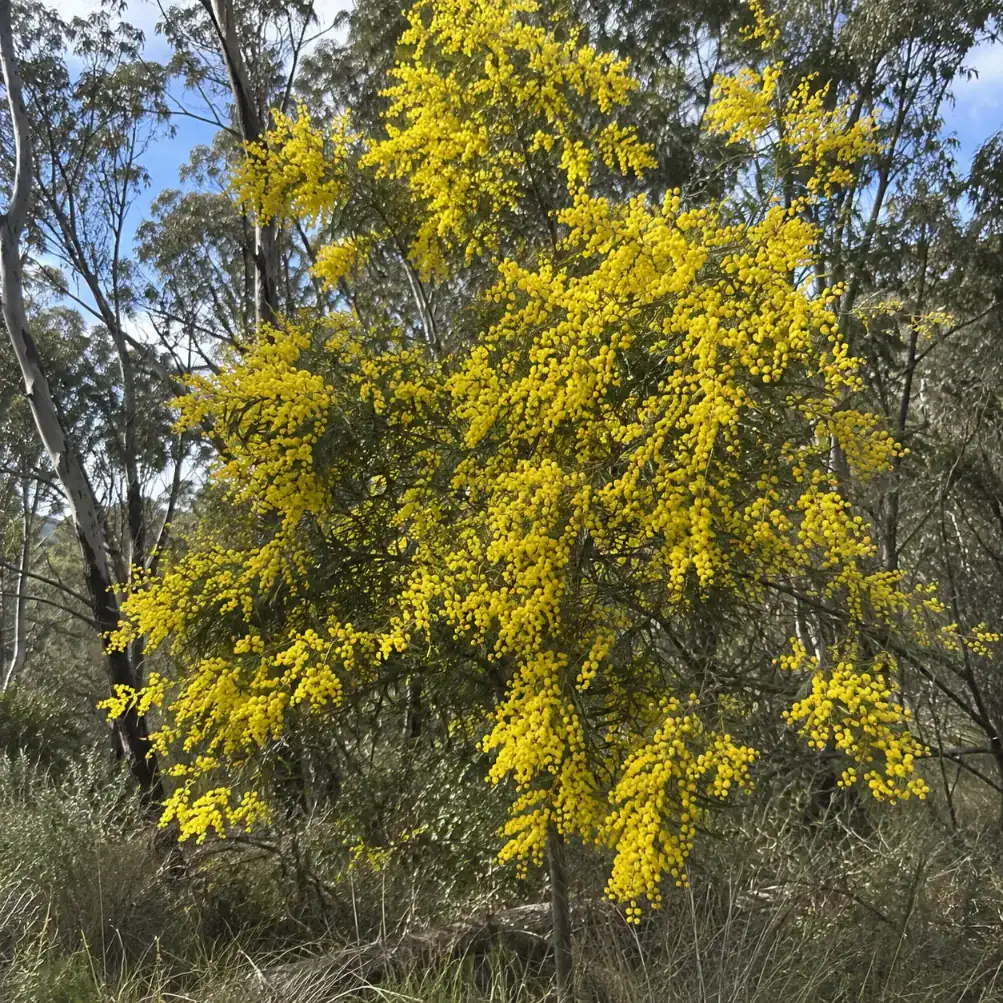
Wattle Trees
Wattle, or Acacia, is one of Victoria’s most common native genera, ranging from the widely planted Golden Wattle to species like Blackwood, which grows into a substantial shade tree. Wattle tree pruning is often needed within a few years of planting to establish good structure, given how quickly many wattles grow. Wattle tree removal is usually only recommended where a tree has failed structurally or is in significant decline, since wattles are generally short to medium lived and healthy specimens are valuable habitat trees. Our wattle tree services include condition assessments as well as removal and pruning work.
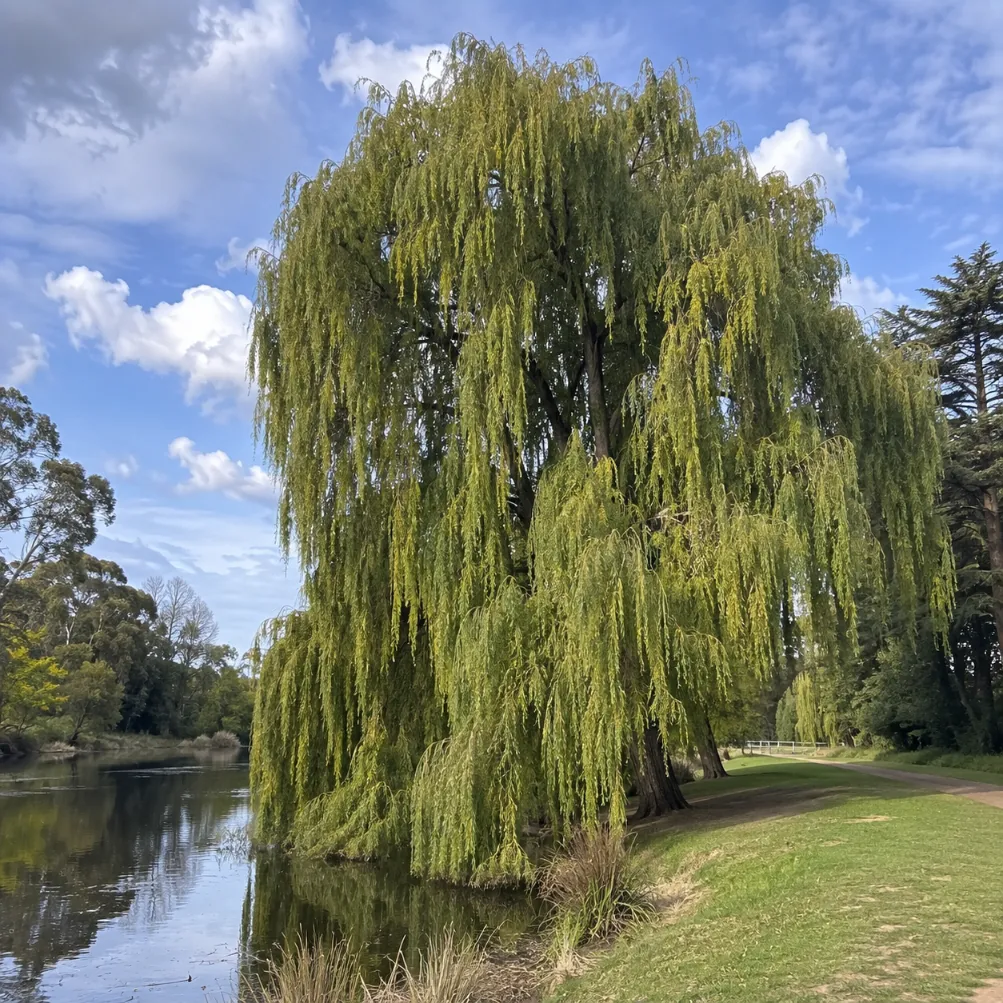
Willow Trees
Weeping Willow, Crack Willow, White Willow and other Salix species were widely planted along Victorian waterways for erosion control and shade, but several willow species are now declared noxious weeds due to how aggressively they spread and the damage their root systems cause to waterways and infrastructure. Willow tree removal is often part of a broader waterway or land management program rather than a single tree job, and can involve significant machinery where a willow has grown into a large multi trunked specimen. Willow tree pruning is sometimes used as an interim measure on trees not yet scheduled for removal. Our willow tree services include assessment of whether a tree is a suitable candidate for retention or should be prioritised for removal.
This guide covers the tree groups we are asked about most often across Melbourne and regional Victoria, but it is not exhaustive. If you are dealing with a species not covered here, or are not sure what you are looking at, get in touch and we can identify the tree and advise on the right approach, whether that is removal, pruning, or ongoing management.
Not Sure What Species You're Dealing With?
Species drives how a tree should be managed, and it is not always obvious from the ground. Get in touch and Artistree Professional Tree Care can identify the tree, assess its condition, and advise on removal, pruning or ongoing care.